
 15 July 2026
 Share
Share
1
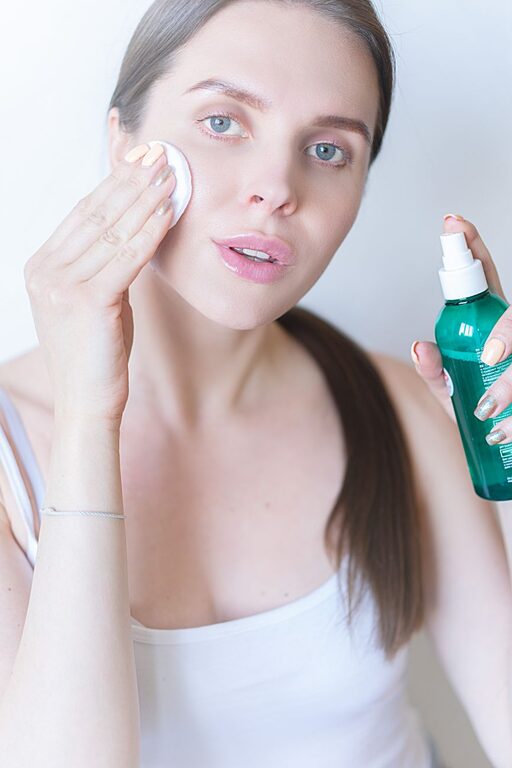
Starting a skincare routine can feel overwhelming with so many products and advice out there. But the truth is, you don’t need a complicated regimen or expensive products to keep your skin healthy and glowing. A basic skincare routine focuses on cleansing, moisturizing, and protecting your skin — the essential steps everyone should follow. Whether you’re new to skincare or want to refresh your habits, this guide will walk you through how to start a simple routine that works.
Your skin is your body’s largest organ and acts as a barrier against environmental damage. Daily care helps remove dirt, oil, and impurities, prevents dryness or irritation, and supports your skin’s natural functions. A consistent routine can improve your skin’s texture, tone, and overall appearance. Plus, taking time for skincare is a form of self-care, promoting confidence and relaxation.
Before choosing products, it’s important to identify your skin type. This helps ensure you select the right formulas that address your skin’s needs without causing irritation.
– Normal skin: Balanced, not too oily or dry
– Dry skin: Feels tight or flaky, may look dull
– Oily skin: Shiny, prone to blackheads or acne
– Combination skin: Oily in some areas (like the T-zone), dry in others
– Sensitive skin: Easily irritated, prone to redness or itching
You can observe your skin after washing your face and waiting about an hour:
– If your skin feels comfortable and not oily or tight, it’s likely normal.
– If it feels tight or flaky, it may be dry.
– If it looks shiny or feels greasy, it might be oily.
– If you notice oiliness in some areas and dryness in others, you have combination skin.
– If your skin reacts easily to products or weather, it’s probably sensitive.
Cleansing is the foundation of any skincare routine. It removes dirt, excess oil, makeup, and pollutants that accumulate throughout the day.
– For normal or combination skin, a gentle foaming or gel cleanser usually works well.
– For dry or sensitive skin, consider cream-based or hydrating cleansers that won’t strip moisture.
– For oily skin, look for oil-free, non-comedogenic formulas.
Cleanse twice daily — once in the morning and once before bed — to keep your skin fresh.
Moisturizing helps lock in hydration, smooth your skin, and protect the skin barrier.
– If you have dry or sensitive skin, opt for richer creams with ingredients like ceramides, hyaluronic acid, or glycerin.
– For oily or acne-prone skin, use lightweight, oil-free, or gel-based moisturizers.
– If you have normal or combination skin, a balanced formula that hydrates without heaviness works well.
Apply moisturizer on slightly damp skin to help seal in moisture. Use gentle upward strokes and avoid tugging on the skin.
Sun protection is one of the most important skincare steps but is often overlooked.
UV rays can damage your skin, leading to premature aging, dark spots, and increased risk of skin cancer. Applying sunscreen daily protects your skin from these harmful effects.
Look for broad-spectrum sunscreens with at least SPF 30. Options include creams, lotions, or lightweight gels.
– Apply sunscreen as the last step of your morning skincare routine.
– Use about a nickel-sized amount for your face.
– Reapply every two hours if you’re outside or sweating.
If you want to address specific concerns like acne, dullness, or uneven skin tone, consider adding one targeted product after cleansing and before moisturizing. Examples include:
– Serums with vitamin C for brightening
– Exfoliating products with mild acids (like glycolic acid) used 1-2 times per week
– Spot treatments for occasional breakouts
Start slowly to see how your skin reacts and avoid overloading with too many products.
– Be consistent. Results come from regular care, even if the routine is simple.
– Patch test new products. Apply a small amount on your skin and wait 24-48 hours to check for irritation.
– Avoid harsh scrubs or excessive washing, which can irritate your skin.
– Keep your routine minimal and adjust based on how your skin feels.
– Stay hydrated and eat a balanced diet. Skin health reflects overall wellness.
Starting a basic skincare routine is easy and effective. Focus on cleansing, moisturizing, and protecting your skin from the sun. Choose products suited to your skin type, and introduce additional treatments only if needed. With these simple steps, you’ll be on your way to healthier, more radiant skin every day.
Remember, every person’s skin is unique. It’s okay to experiment gently and find what works best for you. Your skin will thank you!
