
 15 July 2026
 Share
Share
1
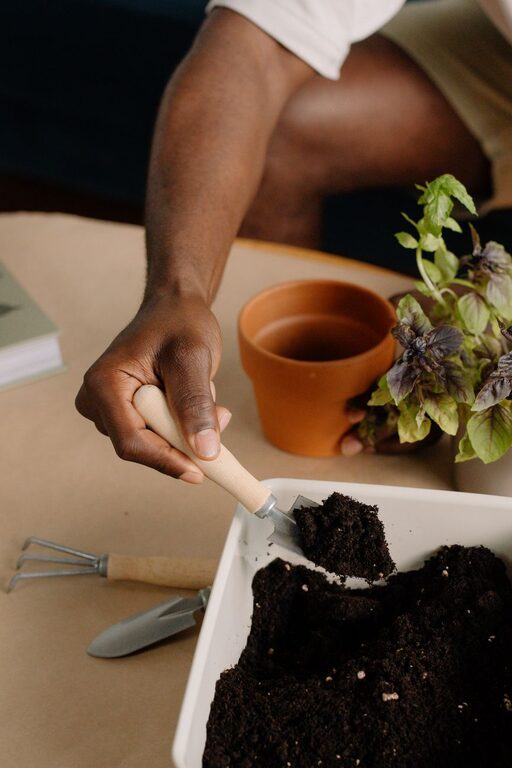
Growing herbs indoors is a rewarding and practical way to enjoy fresh flavors year-round. Whether you have a large kitchen or a small apartment, starting a small herb garden indoors can brighten your space and enhance your cooking. This guide will walk you through the essentials of choosing, planting, and maintaining your indoor herb garden with simple tips anyone can follow.
Indoor herb gardens offer many benefits:
– Fresh, aromatic herbs at your fingertips
– Improves kitchen decor and air quality
– Saves money on grocery store herbs
– Fun and educational hobby for all ages
– Controlled environment reduces pests and weather risks
Now, let’s explore how to create your own herb garden within your home.
Not all herbs thrive indoors, so start with varieties known for adapting well to indoor conditions. Some popular beginner-friendly herbs include:
– Basil: Sweet flavor, great for Italian dishes
– Mint: Refreshing, ideal for teas and desserts
– Parsley: Versatile garnish with mild flavor
– Chives: Mild onion taste, perfect for salads and soups
– Thyme: Earthy flavor, complements meats and vegetables
– Oregano: Robust flavor, essential in Mediterranean cooking
– Cilantro: Distinctive taste, frequently used in Mexican and Asian dishes
Choose a few herbs that you use often to keep your garden manageable and practical.
Herbs need containers with good drainage to prevent waterlogged roots. You can use:
– Small pots with drainage holes
– Recycled containers, like yogurt cups or tin cans (just add holes)
– Specialized herb planter boxes for windowsills
Aim for containers that are 4-6 inches deep to allow proper root growth.
Use a high-quality potting mix designed for indoor plants rather than garden soil. Look for:
– Well-draining
– Lightweight
– Nutrient-rich
Avoid heavy soil that retains too much water and can cause root rot.
Most herbs require plenty of sunlight to thrive—ideally 6-8 hours daily. Place your herb garden:
– On a south-facing windowsill
– Near a bright window with indirect sunlight
– Under grow lights if natural light is limited
If natural light is insufficient, full-spectrum LED grow lights can help your herbs grow strong and healthy.
You can start herbs from seeds, cuttings, or purchased young plants.
– Fill pots with potting mix and smooth the surface.
– Plant seeds according to package instructions (usually ¼ inch deep).
– Water gently and cover with plastic wrap or a humidity dome to retain moisture.
– Place in a warm, well-lit spot.
– Once seedlings sprout, remove covers and thin them to avoid overcrowding.
– Gently loosen the root ball of starter plants.
– Plant at the same depth as in their nursery containers.
– Water thoroughly to settle the soil.
– Water when the top inch of soil feels dry.
– Avoid overwatering; soggy soil can cause root rot.
– Use room temperature water to avoid shocking plants.
– Fertilize every 4-6 weeks with a diluted, balanced liquid fertilizer formulated for herbs or vegetables.
– Organic options like compost teas are also beneficial.
– Prune herbs regularly to encourage bushy growth.
– Remove dead or yellowing leaves promptly.
– Rotate plants occasionally for even light exposure.
– Watch for pests like aphids or spider mites, and treat naturally if needed.
– Pinch off leaves as needed, ideally in the morning for best flavor.
– Avoid removing more than one-third of the plant at once to keep it healthy.
– Leggy plants: Too little light; move to a brighter spot or add grow lights.
– Yellow leaves: Overwatering or poor drainage; check soil moisture and drainage holes.
– Pests: Use insecticidal soap or neem oil as safe, natural treatments.
– Slow growth: Ensure proper feeding and light conditions.
– Experiment by mixing different herbs that complement each other.
– Keep a small notebook to track watering, feeding, and growth progress.
– Enjoy the process and the fresh flavors your herbs bring to your meals!
Starting a small herb garden indoors is easy, enjoyable, and adds a burst of freshness to your cooking space. With just a little care and attention, you can have a thriving garden supplying fragrant herbs all year round. Happy gardening!
