
 15 July 2026
 Share
Share
1
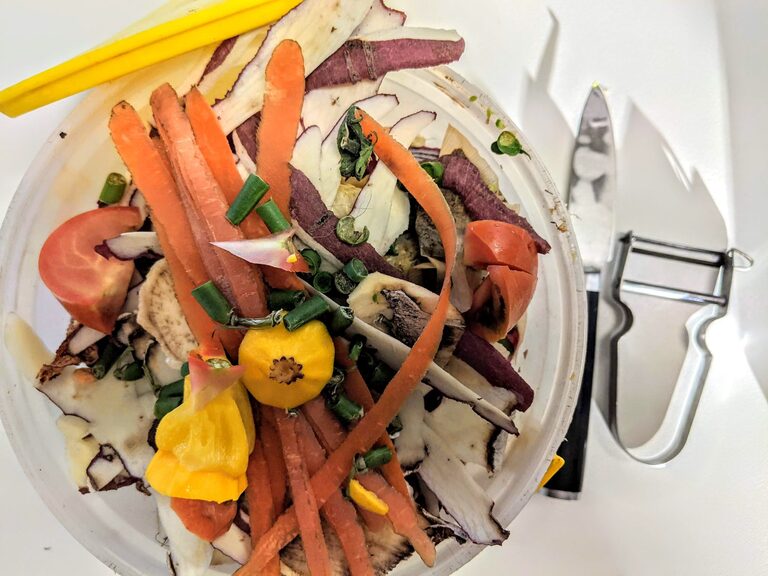
Reducing food waste at home is a great way to save money, reduce environmental impact, and make the most of the food you buy. Every year, millions of tons of food are thrown away, often because of improper storage, overbuying, or lack of meal planning. By adopting a few simple habits, you can help lower food waste in your household and contribute to a more sustainable lifestyle. Here are several practical ways to reduce food waste at home.
Before diving into the tips, it’s helpful to understand why reducing food waste matters. Food production uses valuable resources like water, energy, and labor. When food is wasted, all these resources go to waste too. Additionally, discarded food contributes to greenhouse gas emissions when it decomposes in landfills. By minimizing food waste, you help conserve resources and reduce pollution.
Planning your meals for the week helps you buy only what you need. Write down your meals and snacks to create a precise shopping list. This reduces impulse buys and ensures you use ingredients before they spoil.
Stick to your list when shopping. Avoid buying items just because they are on sale unless you know you will use them. Check your pantry and fridge before shopping to avoid duplicates.
Proper storage can greatly extend the shelf life of fruits and vegetables. For example:
– Store leafy greens and herbs in a container with a paper towel to absorb moisture.
– Keep apples away from other fruits to prevent premature ripening.
– Use airtight containers for cut produce to maintain freshness.
Use the “first in, first out” rule by placing older items at the front and newer ones at the back. This helps you use food before it expires and avoids spoilage.
Instead of throwing away vegetable scraps or stale bread, use them to make broths, croutons, or breadcrumbs. Leftover vegetables can be added to soups, stews, or stir-fries.
Use clear containers to store leftovers so they’re easy to identify. Label them with dates to ensure you use them within safe timeframes.
Serving appropriate portions can help prevent uneaten food. Start with smaller servings and go back for seconds if still hungry. This reduces plate waste and encourages mindful eating.
Many foods freeze well and can be saved for later meals. Bread, cooked grains, meat, and some fruits and vegetables can be stored in the freezer to extend their shelf life.
For those interested in longer-term preservation, canning, pickling, or fermenting surplus produce can prevent waste and add variety to your meals.
Even with careful planning, some food scraps are unavoidable. Composting helps turn food waste into nutrient-rich soil instead of contributing to landfill waste. Many communities offer composting programs, or you can start a compost bin at home.
Make reducing food waste a team effort by discussing the importance and strategies with everyone in your home. Encourage mindful shopping, eating, and storing habits for lasting change.
Reducing food waste takes a little planning and awareness, but it quickly becomes a natural part of daily life. By planning meals, storing food properly, using leftovers creatively, and composting scraps, you not only save money but also support a healthier planet. Start with a few small changes today and enjoy the benefits of less waste and more mindful consumption.
